
Roni Eytan

Melody People
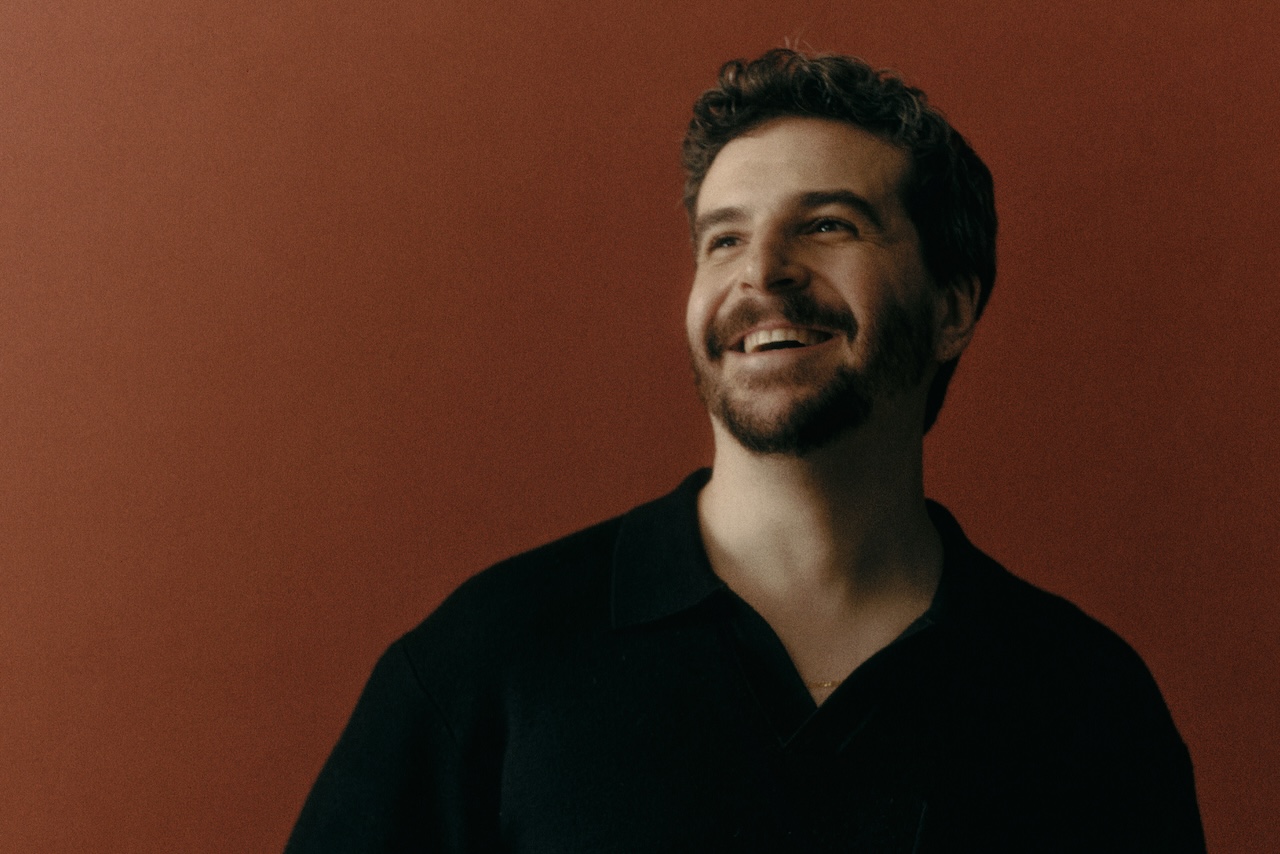
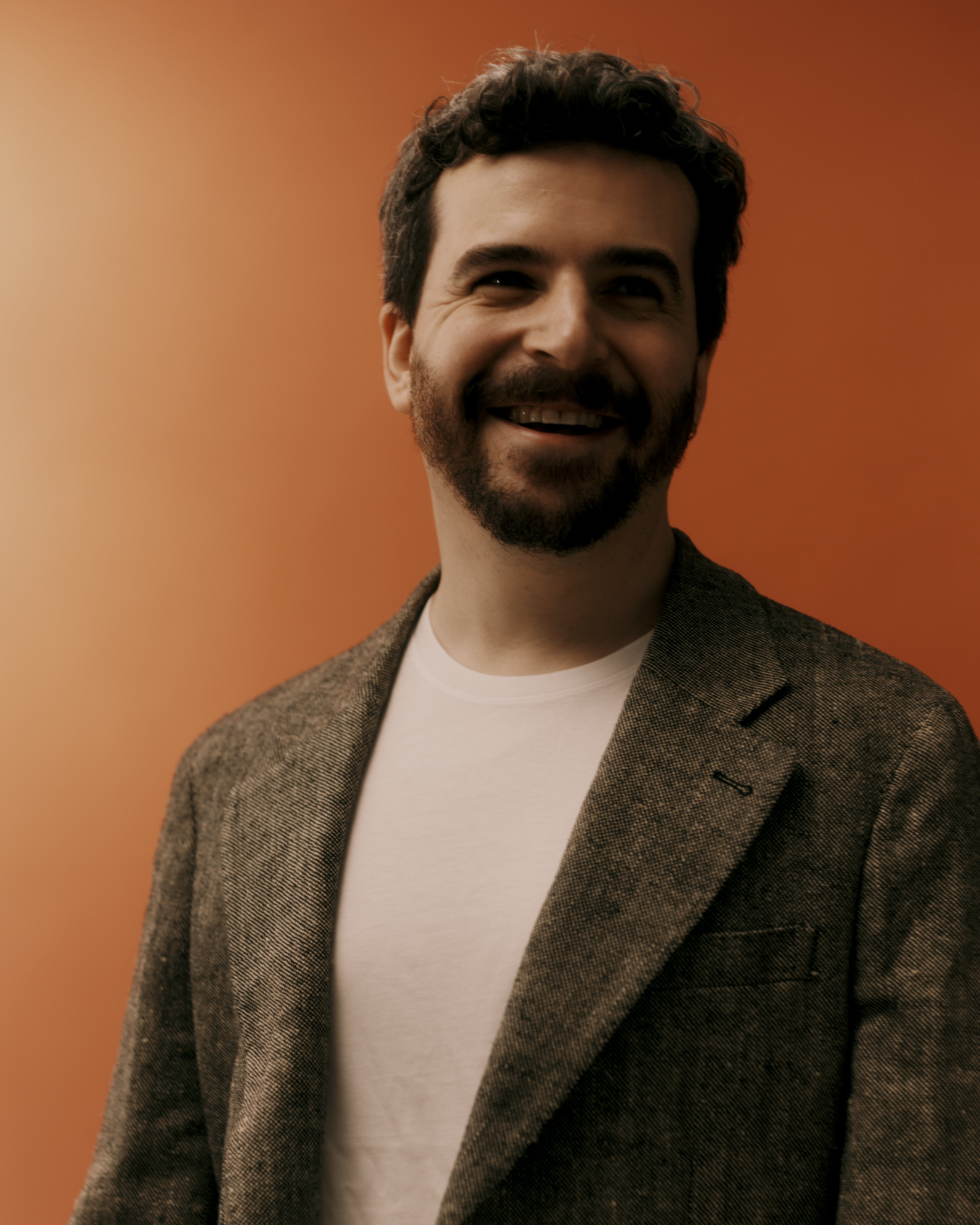
Roni’s debut album as a leader, Melody People, comes out on 30 October 2026 on PKmusik. It was produced by pianist Shai Maestro.


Roni Eytan – A Traveller Between Worlds
Bright, luminous, expressive, innocent and deeply emotional: this is how Roni Eytan describes the sound of the harmonica. For him, this small instrument is the most important and, at the same time, the most intimate way of expressing himself.
Cartoon, Trumpet and the Discovery of the Harmonica
Roni spends his childhood in Jerusalem. There he watches the animated film “Yellow Submarine”, with a soundtrack by the Beatles. At the time, Roni is particularly taken with the sound of the trumpet, so shortly afterwards he begins to learn to play it. With little success, as he laughingly recalls.
It is not until high school that he becomes completely absorbed by music. He is inspired by his classmates, many of whom play an instrument: guitar, piano, drums. Roni wants to be part of it and to learn an instrument too. One that is smaller than the trumpet, that nobody else plays yet, and that he can always carry with him. He chooses the harmonica, whose sound has fascinated him for a long time.
Roni starts taking lessons and slowly coaxes his first notes and melodies out of it.
A Rocky Road
At 14, Roni auditions for a music program for gifted students in Jerusalem, where high schoolers can major in music. The program takes place at the Yellow Submarine, a Jerusalem music venue that shares its name with the very cartoon that first drew him to music. The other students have years of experience and solid theoretical knowledge. Roni has been playing for only a few months and knows no music theory. But the head of the program sees his potential and accepts him anyway. Now he is challenged in every respect. It is there that he falls in love with jazz and becomes obsessed with it. After a year, his progress is to be assessed so that he can stay in the program. Roni practises and studies for hours on end, especially during the summer holidays. Looking back, he says it was his toughest test. Not only does he pass: by his second year, he is at the top of his class. His goal is now clear: to become a professional musician, or more precisely, a jazz musician.
On the wordd’s stages
After school, Roni begins studying music at the Jerusalem Academy of Music and Dance, but soon decides to go to Boston to study at the renowned Berklee College of Music on a full scholarship. During his Berklee years, Roni regularly travels to New York to meet harmonica player Grégoire Maret, who becomes his mentor and, over time, a close friend. At Berklee, his teacher, Grammy-winning pianist Danilo Pérez, takes him on tour. By 23, Roni is playing the world’s main stages with him. For the young Roni, this is the school of life. He meets musicians from the most diverse cultural backgrounds. They open up new musical spaces for him. Throughout his studies, he learns above all from saxophonists, clarinettists and other wind players. Along the way, he deepens the Arabic, Andalusian and North African influences he grew up with in Jerusalem, blends them into jazz and increasingly finds a distinctive voice of his own.
In 2018, Roni becomes the first harmonica player ever chosen by Herbie Hancock and Wayne Shorter for the Thelonious Monk Institute of Jazz Performance at UCLA in Los Angeles, renamed the Herbie Hancock Institute the following year. Herbie Hancock becomes one of his mentors there.
Over the years, Roni has performed and collaborated with renowned jazz musicians such as Kris Davis, John Patitucci, John Beasley, Kevin Hays, Gilad Hekselman and Shai Maestro.
Connecting Worlds
Today, Roni lives in New York, doing what he loves. He commissioned the world’s first microtonal harmonica, built to capture the nuances of Middle Eastern maqam. Instrument maker Brendan Power built it in close collaboration with Roni, who travelled to him several times with feedback and ideas. With it, Roni can play the notes between the steps of the Western scale. For him, this means being able to connect musical in-between worlds and to keep setting off on new, unexpected voyages of discovery.